
Reimagining Race: As a Black Girl
Amiyah Woods, 2026 Her Voice Media intern and Race, Reimagined Cover Girl explores what “reimagining race” means to her
When I think about reimagining race, I don’t think about erasing it; I think about reshaping the systems around it. I think about power — who has it, who doesn’t, and why.
If I could reimagine race, I would start by placing more women in leadership roles; Specifically women of color. Women who know what it feels like to be overlooked but still overperform, who have been told they’re “too emotional,” “too loud,” “too ghetto,” or simply “not fit” to lead.
When Kamala Harris was on the ticket during the 2020 presidential election, I remember hearing people — even women — say they would never vote for a Black woman for president. The reasons were always the same: she’d be too emotional, women belong in the kitchen, or a Black woman would be too “ghetto,” “aggressive,” “unprofessional” if elected as president. It wasn’t about policy— it was about stereotypes. And as a Black woman in STEM, I sometimes feel those same stereotypes follow me into the classroom.
Engineering is still a predominantly white, male-dominated field. In many of my classes, I’m the only woman — often, the only person of color. I’ve had white male peers tell me my role was to “sit back” and “look pretty” because they believed engineering was a man’s job.
In one group project, a male teammate dismissed my ideas completely, despite (ironically) ruining the project. What saved us? My backup plan.
And when I say backup plan, I mean I did twice the work. I prepared for failure before it even happened, because I knew I was being underestimated. I knew that if something went wrong, the blame would somehow land on me —not because of my ability, but because of my gender and the color of my skin.
Throughout these experiences, there were moments when I questioned myself. I even wondered if I was imagining the bias…but then I would watch the same classmates openly discuss ideas with other women — just not me.
Their silence said everything. Still, I never let it stop me; I chose electrical engineering knowing it wouldn’t be easy.
I’ve been fascinated with electricity and batteries since age eight, so I refuse to let anyone convince me that my passion and curiosity have a gender or a race.
I want to break stereotypes in my field. I want young girls — especially Black girls — to see someone who looks like them in engineering and believe they belong there too. I want them to step out of their comfort zone and know they can do it.
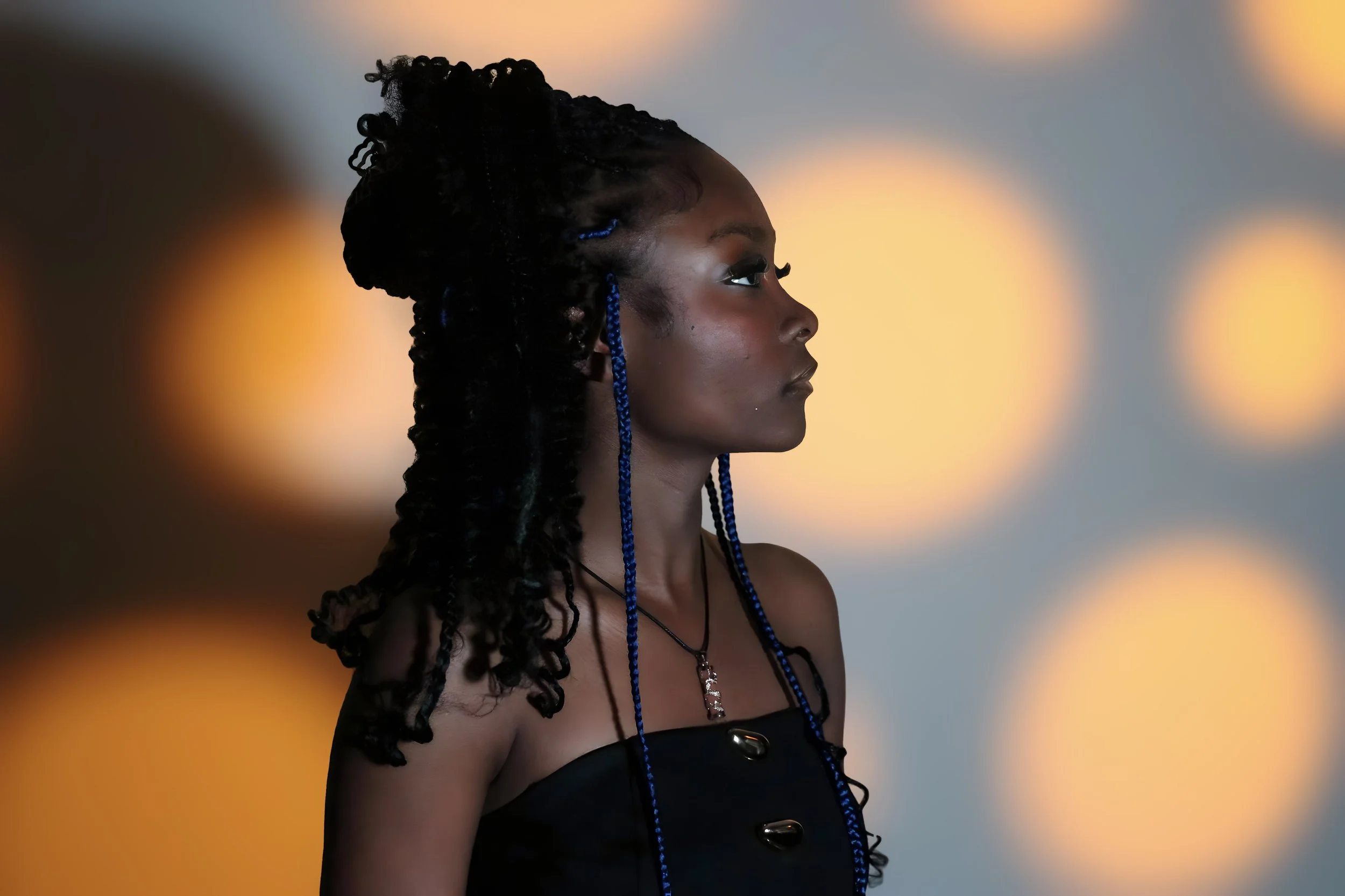
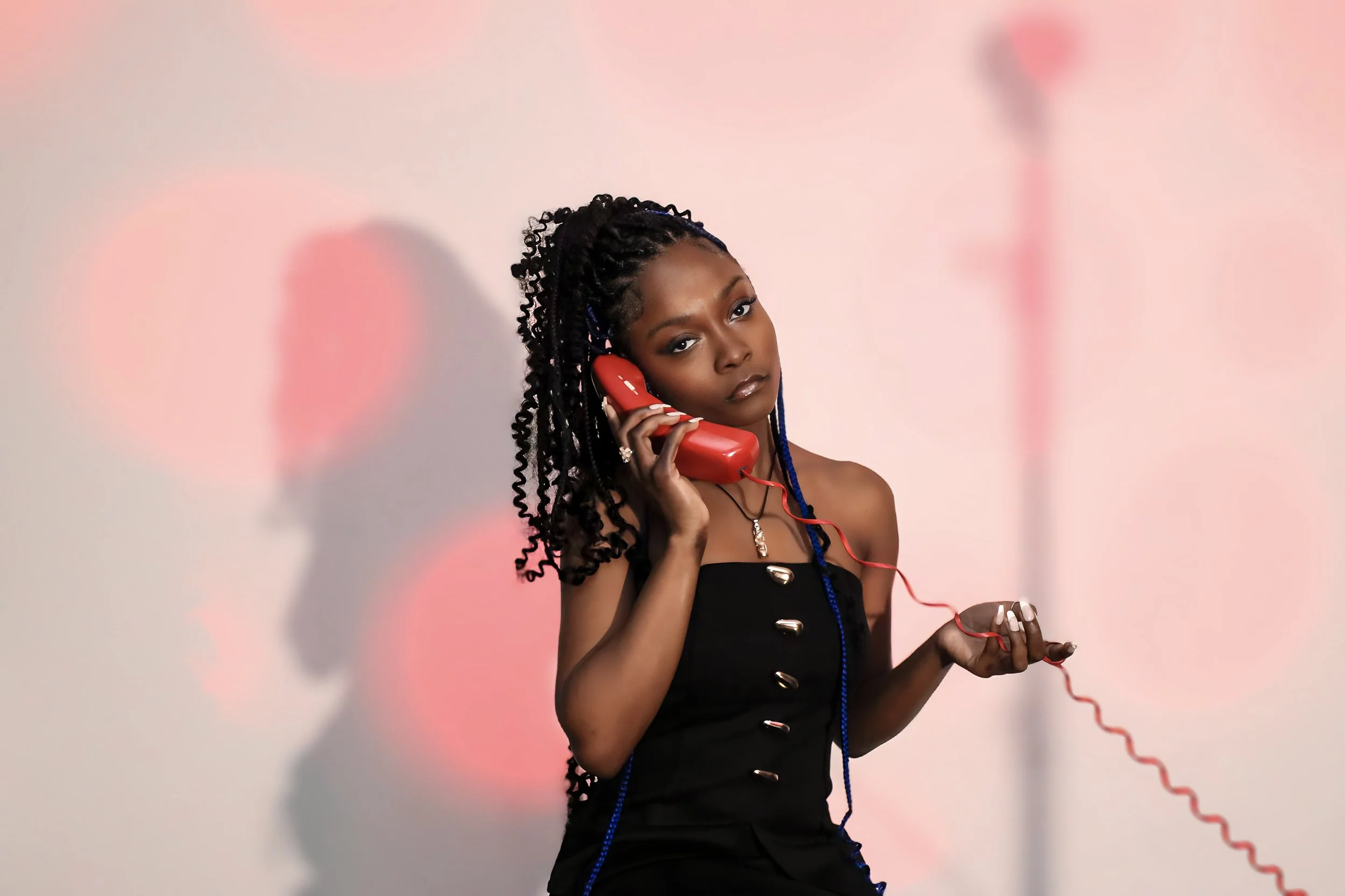

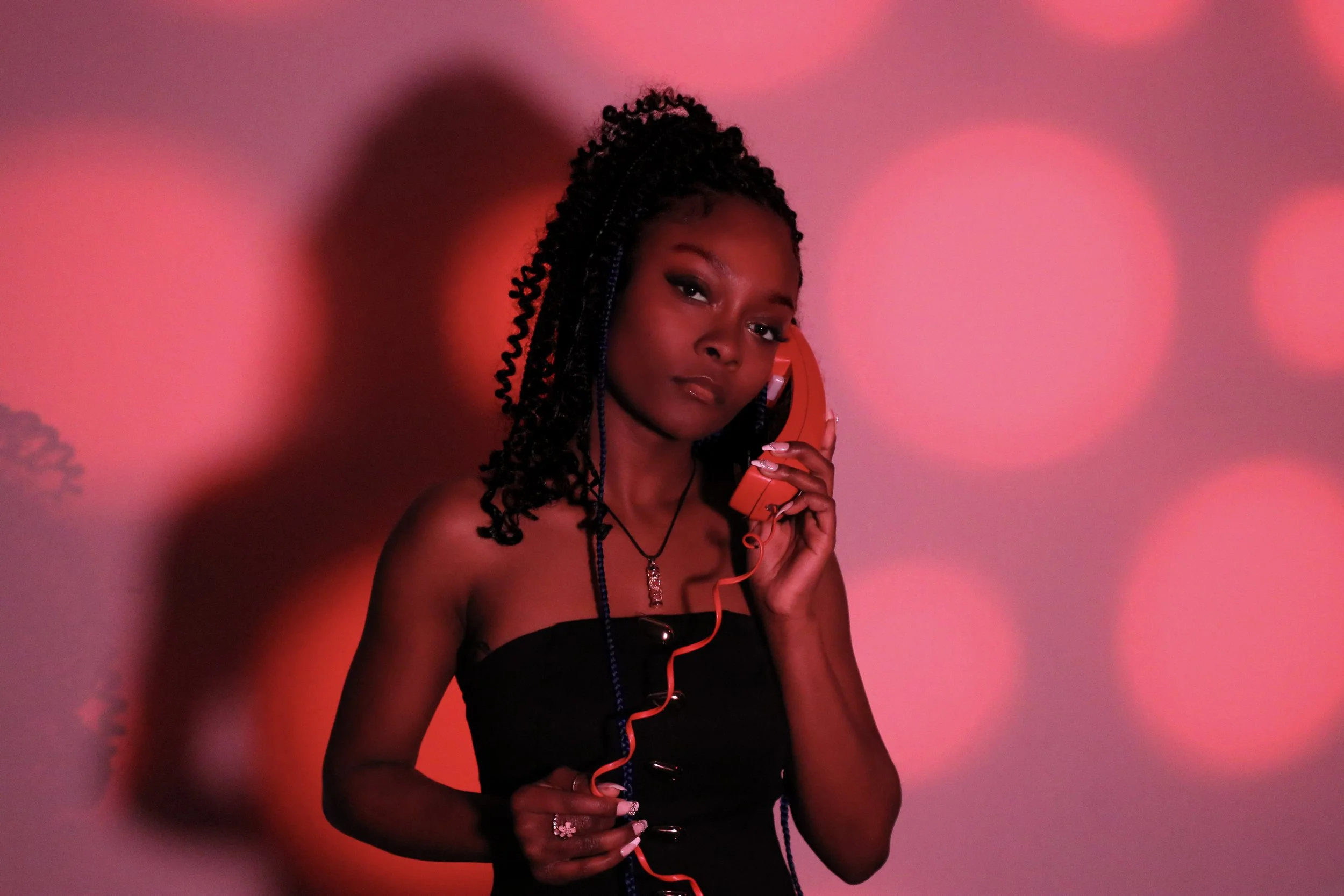
Reimagining race would also mean reimagining access, especially to generational wealth. Because of slavery and systemic discrimination, many families of color were denied the opportunity to build and pass wealth down to their descendants. These historic inequities still impact where Black families live, the schools they attend, and the resources available to them today. My family, for example, lives at the bottom of a hill in our neighborhood. There’s a stereotype about people from “down there”— that we’re poor, or that we’re not good enough.
Despite taking AP and advanced classes growing up, I often felt that stigma follows me in school. I was usually one of the only students of color in the room, soI felt like I had to work twice as hard just to keep up. When I didn’t understand something right away, it felt like others were too “far above” me to even bother explaining. Eventually, I started slipping. My grades dropped, and my family noticed. Fortunately, people in my community offered tutoring, advice, and support groups. At first, I rejected it, because I thought asking for help meant I wasn’t smart enough.
But then I listened to my family’s stories — the opportunities they never had, and the dreams they had to put aside. I realized that education wasn’t a burden, it’s a privilege. After this realization, I decided I wasn’t just doing this for me: I was doing it for them.
I’m now a junior at Augustana College, a predominantly white liberal arts institution, happily pursuing my bachelor’s degree in electrical engineering.
On campus, I’ve served as Black Student Union secretary, president of a step team, and I stay involved with the Office of Student Cultural Connections. Those spaces have given me a community of people who understand the unspoken pressures of being a young scholar of color, reminding me that I’m not alone.
If I had to describe myself in three words, I’d say I’m creative, hardworking, and inspirational — Not because everything has been easy, but because I’ve kept going anyway.
To me, reimagining race means this: leadership that reflects the people it serves. Classrooms where the only Black girl doesn’t feel like a representative for her entire race. Communities where zip codes don’t determine destiny. And finally, a world where little girls don’t grow up hearing that their ambition is “too much.”
Reimagining race isn’t about pretending differences don’t exist. It’s about removing the limitations attached to them. And until that world exists, I’ll keep doing what I’ve always done — showing up prepared, working twice as hard when I have to, and making sure that whoever comes after me won’t have to.