
Reimagining Rock Island’s West End
Local youth, community members see a better, more equitable future for their neighborhood.
Written By: Kyla Nephew
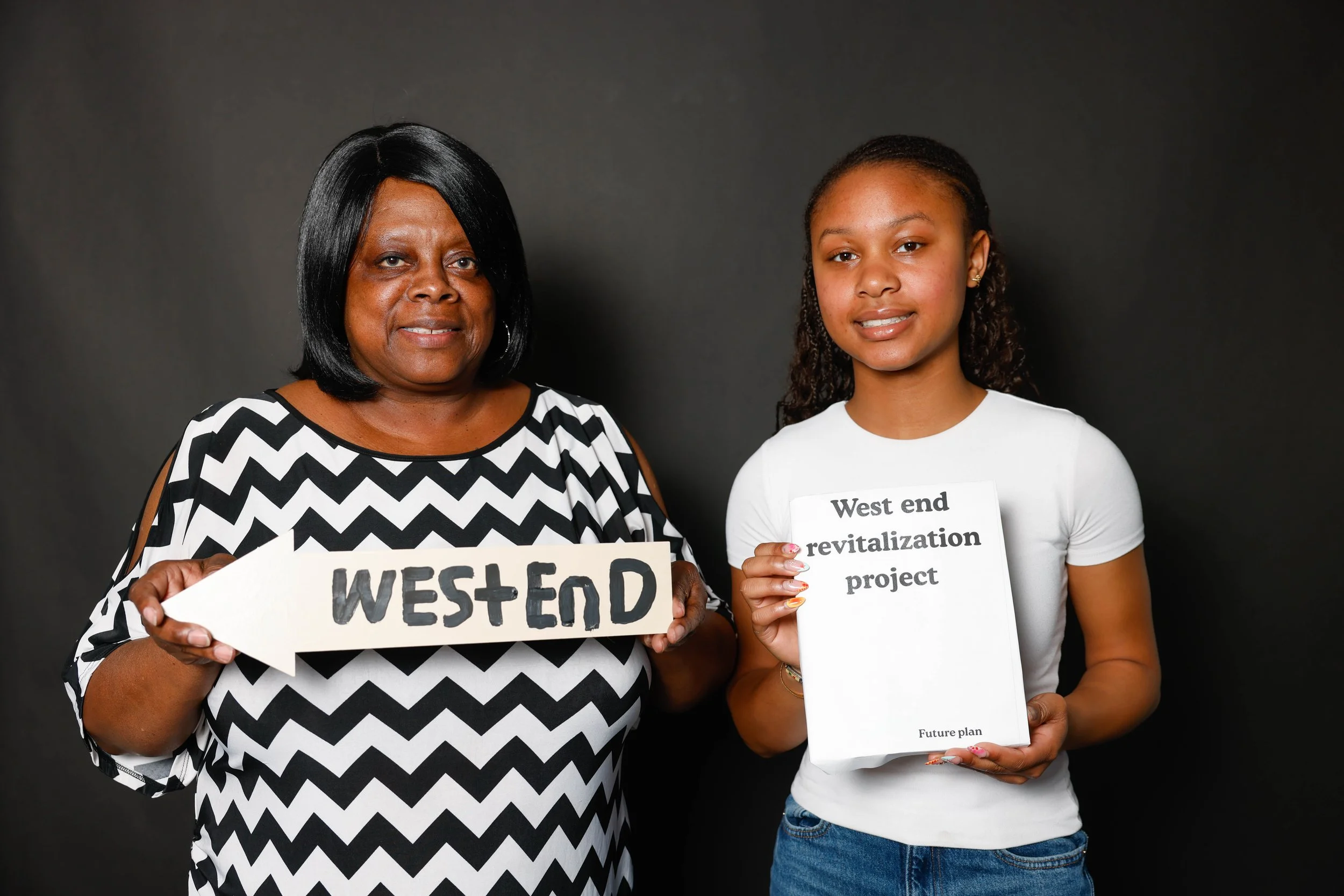
Rock Island’s West End is a community known as home to many. Once full of shops, restaurants and a variety of other businesses, the community is now seeking to revitalize after decades of neglect from local governments.
Rock Island’s West End was primarily populated by white residents until the 1960’s, when construction of the I-74 interstate began; during that time, many white families in the area sold their homes, leading to many black communities moving in.
After becoming a predominantly Black area, city support and management failed to innovate and maintain Rock Island’s West End — causing many businesses to close down, and thus, an increase in unemployment and poverty.
To this day, the area isn't as lively as it used to be, and its communities have not fully recovered. Rock Island’s West End is also stereotyped as being poor, dangerous or even “uneducated.”
One local high schooler, Manuel Martinez, said these stereotypes make him sad, because “seeing a place you grew up in be looked down upon is very discouraging.”
This is why local residents and advocates founded the “West End Revitalization Project,” a community effort to help transform Rock Island’s West End into a desirable place to live, work and thrive by addressing current community needs and other pressing issues.
Janasia Mcdaniel, another Rock Island high schooler, said she believes Rock Island’s West End can be a “thriving” place for youth and community.
“…Not only for us, but for the future,” she added. “I want a good environment for me and my little brothers to grow and learn.” Janasia and other local youth say they want new, safe spaces to hangout and socialize; increased local park and outdoor sporting area maintenance, and West End school renovations.
To get there, Rita Jett—a longtime Rock Island educator and member of the West End Revitalization Steering Committee—said it needs to be a “group effort.” Parents and students should educate themselves and engage, too, not just longtime residents or local leaders.
“Education doesn’t just start at school,” Rita said. “Kids come to school and can't read, and parents get mad at teachers — but it starts at home. … It’s the parents' job to help their kids learn.”
As a teacher, she views the West End Revitalization Project as an opportunity to help the future of Rock Island—her students—thrive, but also to teach more people about Rock Island’s rich, diverse history—hopefully, encouraging them to “reimagine” their view of the city’s West End.
On the steering committee, Rita hopes to lead by example by working with others proactively and “being present” in and for her community.
She’s inspired by her journey as a Black girl growing up in Rock Island — one marked by overcoming adversity. After moving away for a few years, she returned to Rock Island’s West End because she believes revitalization is something that can “drastically” change local resident’s lives.
Moving forward, Rita hopes to continue working with her neighbors —and using her voice—to spark positive change for the future of Rock Island’s West End.